
The Art World has Changed, So Have I
Nordic Art Agency to Rees Davies Art Advisory
After more than twenty years working with artists, collectors, galleries, art fairs, architects and interior designers, I have decided to move forward under a new name, Rees Davies Art Advisory.
But this is not simply a rebrand. Changing a logo and creating a new website are only the visible parts of a much more significant evolution.
The reasons behind the change have as much to do with what has happened to the art world over the past five years as they do with what has happened in my own life.
The way we discover art has changed. The way we buy it has changed. The relationship between artists, galleries and collectors has changed. The economics of operating a gallery have changed—and collectors themselves have changed too.
After two decades immersed in the art world, I have also become much clearer about the part of the work that matters most to me: connecting the right person with the right artwork.
Twenty Years of Nordic Art Agency
Nordic Art Agency began with a straightforward ambition: to connect exceptional international artists with collectors in Scandinavia.
Over time, it became much more.
We represented an international group of artists, organised solo and group exhibitions, participated in art fairs and collaborated with galleries, architects and interior designers. We developed an online platform, created an accredited internship programme for art and design graduates and launched the Nordic Art Agency Podcast.
Eventually, we moved into an extraordinary 1,200-square-metre gallery in Malmö.
I loved having that physical space. There was something very special about watching an empty room transform as crates were opened and a new exhibition began to take shape. Artists arrived with new work, collectors visited and conversations unfolded around the art.
Some visitors knew exactly what they were looking for. Others would walk through the door and say:
“I know absolutely nothing about art.”
Those were often my favourite conversations.
My response was always: “Perfect. What do you like?”
Suddenly, the conversation was no longer about whether someone knew enough about art. It became about looking, responding, being curious and learning to trust their own eye.
The art world can make people feel as though there is a secret language they must understand before they are allowed to participate. There isn’t.
Knowledge, research, provenance, price and context all matter. But so does the emotional response to an artwork. You do not need permission to fall in love with something.
That belief has always been at the heart of my work.
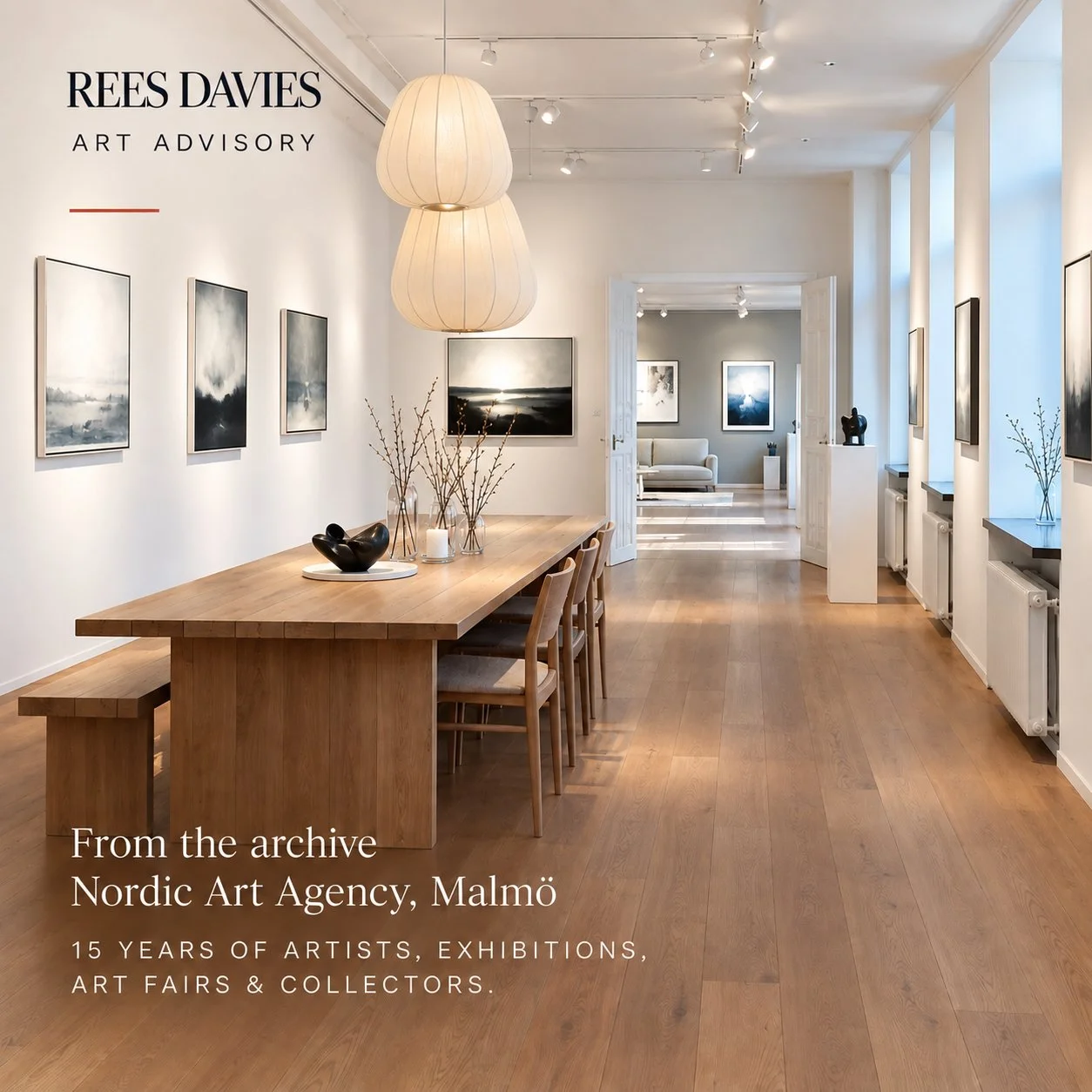
Gallery Solo Exhibition I Victoria Curling Eriksson'
A Changing Art World
The pandemic did not create every challenge or opportunity facing the art market, but it accelerated changes that were already underway.
Galleries closed their doors. Art fairs disappeared from calendars. Studio visits stopped and collectors were no longer travelling. An industry that had traditionally placed enormous value on physical presence suddenly had to operate without it.
The art world became more digital—and collectors discovered that they could buy art without necessarily standing in front of it first.
An artist might be discovered through Instagram. A collector could watch a studio film, listen to a podcast, arrange a conversation online and receive detailed photographs, videos and installation images before making a decision.
Although physical galleries and fairs have returned, that behaviour has not disappeared. The traditional gallery is no longer the only doorway into the art world.
At the same time, the market has become more cautious. Economic uncertainty, geopolitical instability and changing patterns of wealth and spending have encouraged collectors, galleries and artists to reassess how they operate.
This does not mean that the gallery is dead. Far from it.
Excellent galleries continue to nurture artists, build careers, create important exhibitions and provide context and scholarship. But the art world is becoming more varied, more interconnected and less dependent on one traditional model.
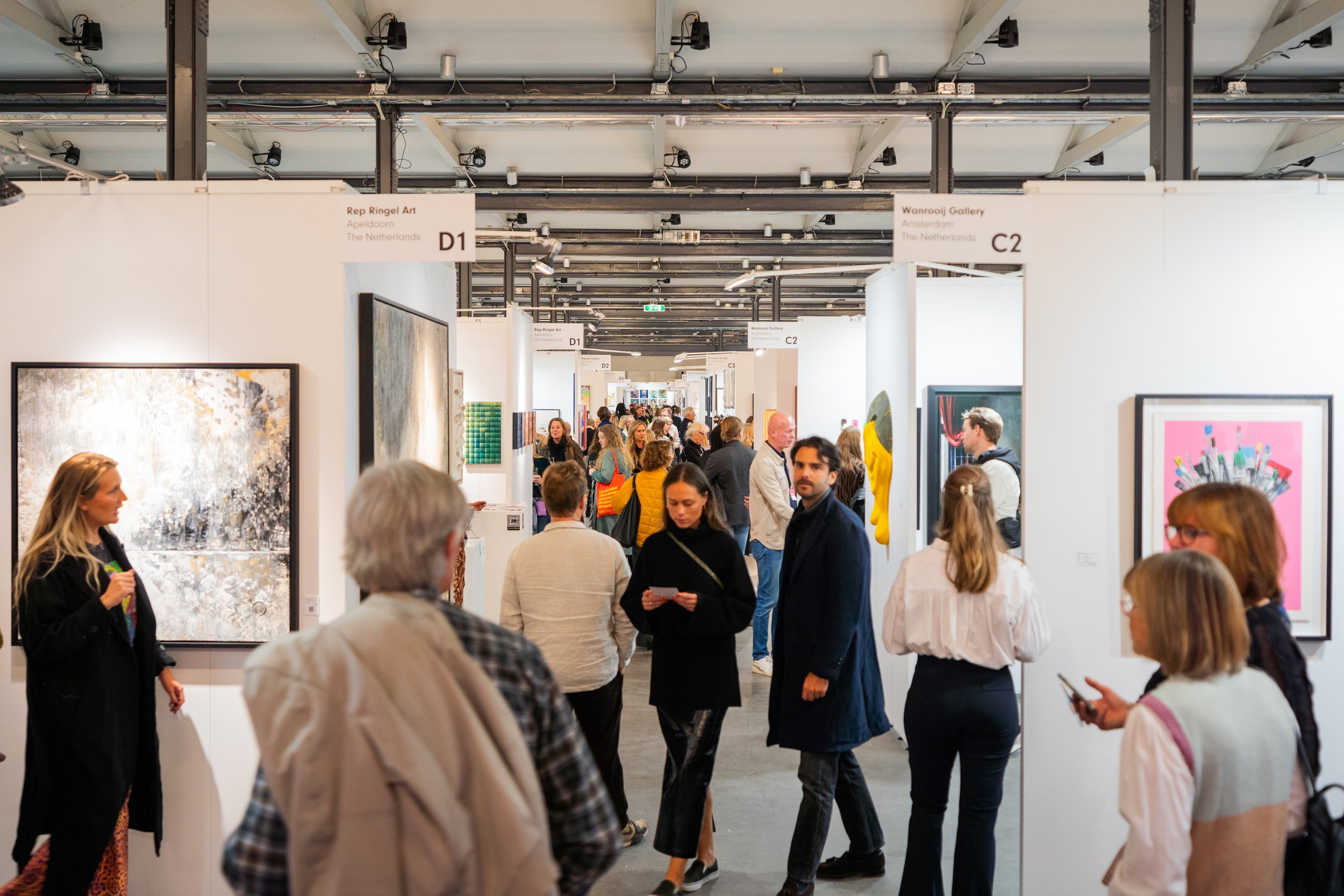
The Affordable Art Fair
The Art Fair Question
Art fairs remain an important part of the art market. They bring an extraordinary amount of art—and an extraordinary number of people—together in one place.
For collectors, they offer an opportunity to discover hundreds of artists and galleries in a single day. For galleries, they can create valuable introductions and relationships that may never have happened otherwise.
But from the exhibitor’s perspective, the economics can be demanding.
There is the cost of the stand, shipping, insurance, travel, accommodation, staffing, installation and time away from the gallery. All of that must be made worthwhile within a very limited period.
A busy aisle does not necessarily mean a commercially successful fair.
I have experienced fairs filled with tremendous energy but relatively little buying. I have also experienced quieter fairs where serious collectors were making thoughtful decisions.
Visitor numbers and commercial success are not always the same thing. Galleries are therefore becoming much more careful about examining the real value of participation.
The important question is no longer simply, “Were there lots of people there?”
It is: “What did the fair actually achieve?”
The Collector Has Changed Too
Perhaps the most interesting development is the way collectors now discover and buy art.
A collector might encounter an artist on Instagram, visit the artist’s website, see the work at an art fair, speak to an advisor and later arrange a studio visit or commission a new piece.
That journey might involve several different channels—and collectors are increasingly comfortable moving between them.
This gives people far greater access and choice. But it also creates an enormous amount of noise.
There are thousands of artists and galleries to discover, alongside online viewing rooms, auctions, fairs, artist websites, interiors platforms and social media accounts. It is possible to scroll through hundreds of artworks before breakfast.
The difficulty is no longer simply finding art.
The challenge is knowing what deserves your attention.
This is where independent art advisory becomes particularly valuable.
The Work I Love Most
At some point, I began asking myself a very simple question:
After all these years, what part of this work do I love most?
Surprisingly, the answer was not having a gallery, although I loved my gallery. Nor was it curating exhibitions, although I loved doing that too.
It was the conversation around the artwork.
I love sitting with collectors and understanding why they are drawn to something. I enjoy walking through a home and considering where art might live: the architecture, natural light, furniture, materials, sight lines and what is already in the collection.
Sometimes a client thinks they need a large painting when the room is really asking for a sculpture. Sometimes they begin by looking for a particular colour and eventually discover something entirely unexpected that transforms the space.
I also love visiting artists’ studios, seeing unfinished work and developing commissions. There is something fascinating about helping a collector articulate an idea they can feel but cannot quite describe—and then allowing the artist the creative freedom to interpret it.
A meaningful collection is not simply a group of expensive objects. Over time, it becomes a kind of biography.
Where were you when you bought a particular piece? Why did it matter? Who were you with? What happened in your life afterwards?
An artwork might travel through three different homes. It may move from a living room to a bedroom or hallway and suddenly be seen differently. Something relatively inexpensive may sit beside something extremely valuable, with the conversation between the two making the collection interesting.
That is how I live with art myself, and it is increasingly how I want to work with others.
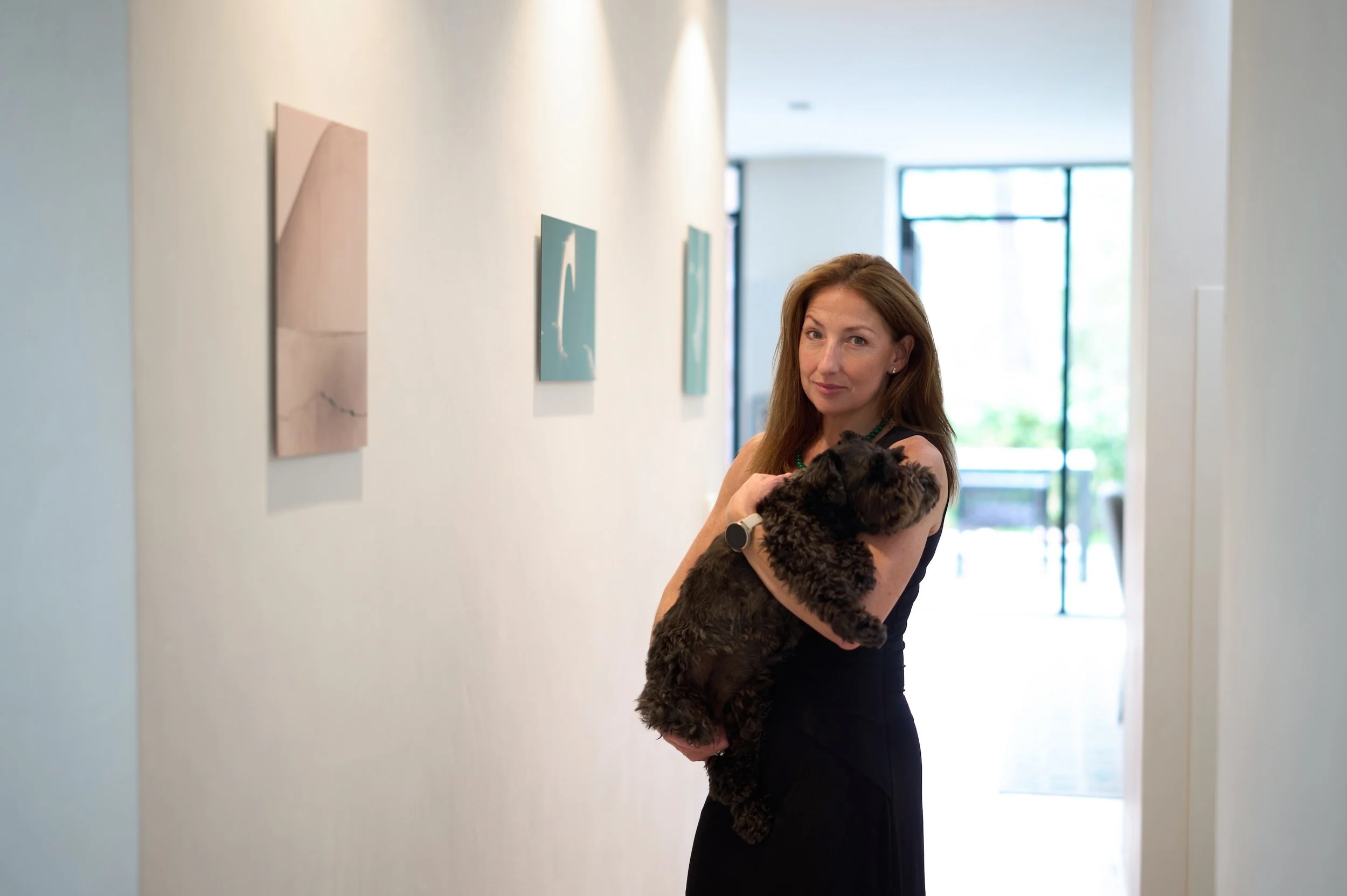
Juliet Rees Davies I At Home
Representation and Independence
When a gallery represents a group of artists, its role is—quite rightly—to promote and sell the work of those artists. The gallery believes in them, invests in their careers and creates opportunities for their work to be seen.
Independent advisory begins from a different position.
Instead of asking, “Which of my artists can I offer you?” I can begin with a more important question:
“What are you actually looking for?”
The answer might be found through a gallery in Copenhagen, London, Cape Town or New York. It might be an emerging artist, an established name, a secondary-market work or a new commission.
It might be a painting, photograph, sculpture or ceramic object.
There may also be occasions when my advice is: “I don’t think you should buy anything yet.”
That independence changes the relationship. I remain deeply connected to artists, studios, galleries and art fairs, but the advisory process begins with the collector, the collection and the project.
Sometimes being a good art advisor means saying, “Don’t buy it.”
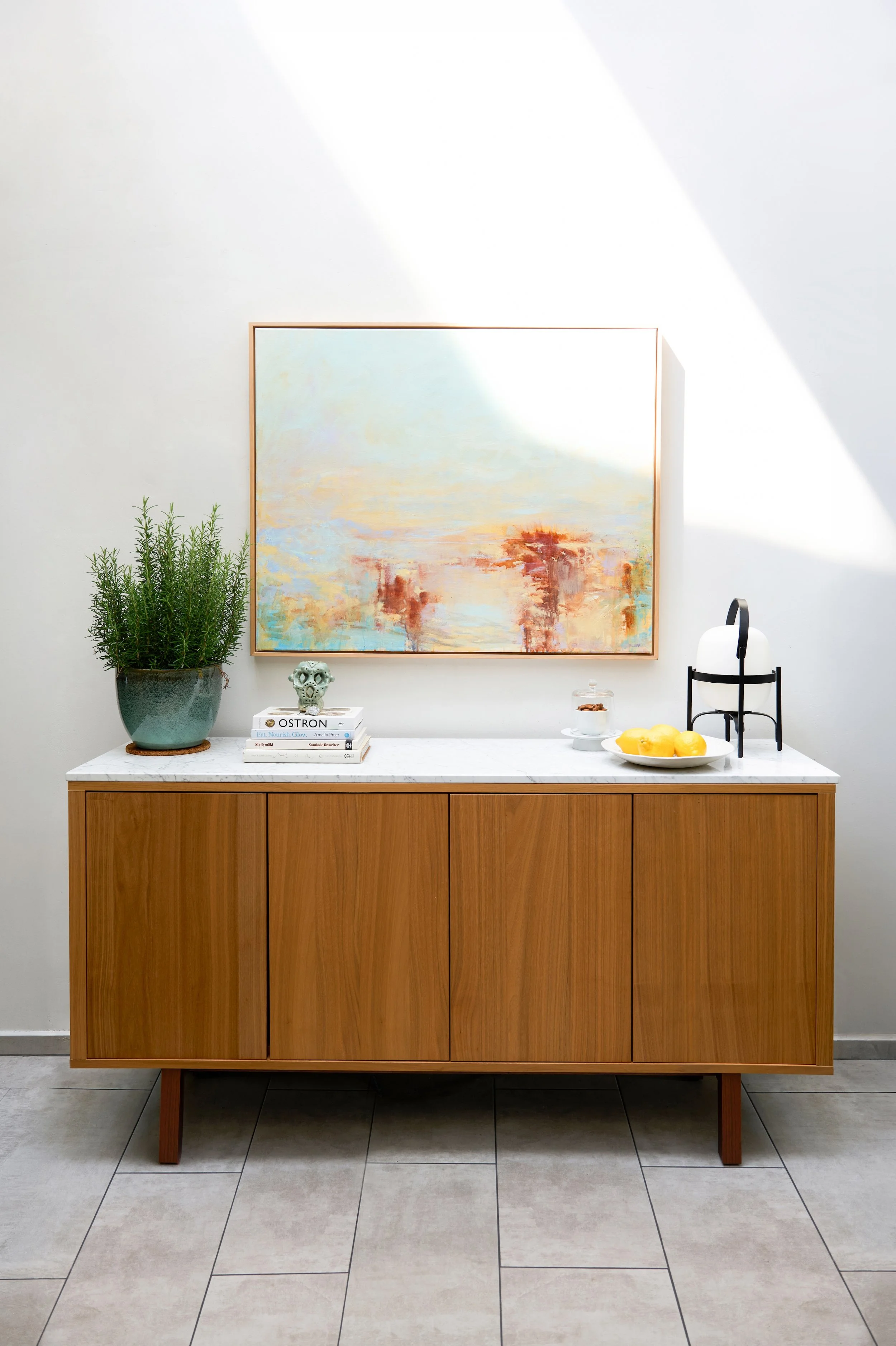
Painting by Kristian Bluff
Art Architecture and Interiors
The relationship between art and interiors has also become an increasingly important part of my work.
This does not mean matching paintings to cushions. Quite the opposite.
It means considering how an artwork exists within architecture: its scale, the ceiling height, surrounding materials, natural and artificial light and how people move through the room.
What do you see when you enter? What do you notice when you sit down? How does a sculpture change when viewed from several directions? What happens to a painting as the daylight fades?
These things matter.
I increasingly work alongside architects, interior designers and design-led companies that do not treat art as the final decorative layer of a project. Instead, it is considered as part of the space from the beginning.
That is a very different—and far more interesting—conversation.
Why Rees Davies Art Advisory
Eventually, the name Nordic Art Agency no longer fully described the work I was doing.
“Nordic” suggested a geographical limitation that was never entirely accurate. My artists, collectors and projects have always been international.
“Agency” suggested artist representation, while my work had become increasingly independent, project-led and collector-focused.
I had also reclaimed my maiden name following my divorce and my recovery from breast cancer. It felt like the right moment to acknowledge the beginning of a new personal and professional chapter.
Rees Davies Art Advisory is a clearer expression of the business I am building today and the perspective I now bring to it.
This new identity does not erase Nordic Art Agency.
I have created an Archive on the new website because I am immensely proud of what Nordic Art Agency became: the artists, exhibitions, fairs, gallery, podcast, collaborations, studio visits, collectors and everyone who walked through its doors.
All of that experience comes with me.
We do not need to destroy one chapter to begin another. Sometimes the thing we have built teaches us what we want to build next.
A New Chapter for the Podcast
The Nordic Art Agency Podcast has also evolved into the Rees Davies Art Advisory Podcast.
The existing episodes and conversations with artists remain part of its archive, but the podcast will now reflect the broader direction of the advisory.
There will still be conversations with artists, galleries and people working across the art world. But I also want to explore collecting, architecture, interiors, commissions, art fairs, pricing, the psychology of buying and the different ways artists build careers and collectors build collections.
In a world filled with endless images, there is still something refreshing about listening to someone explain why they make what they make—what they are thinking about, what they are struggling with and what happens before the finished artwork appears on a wall.
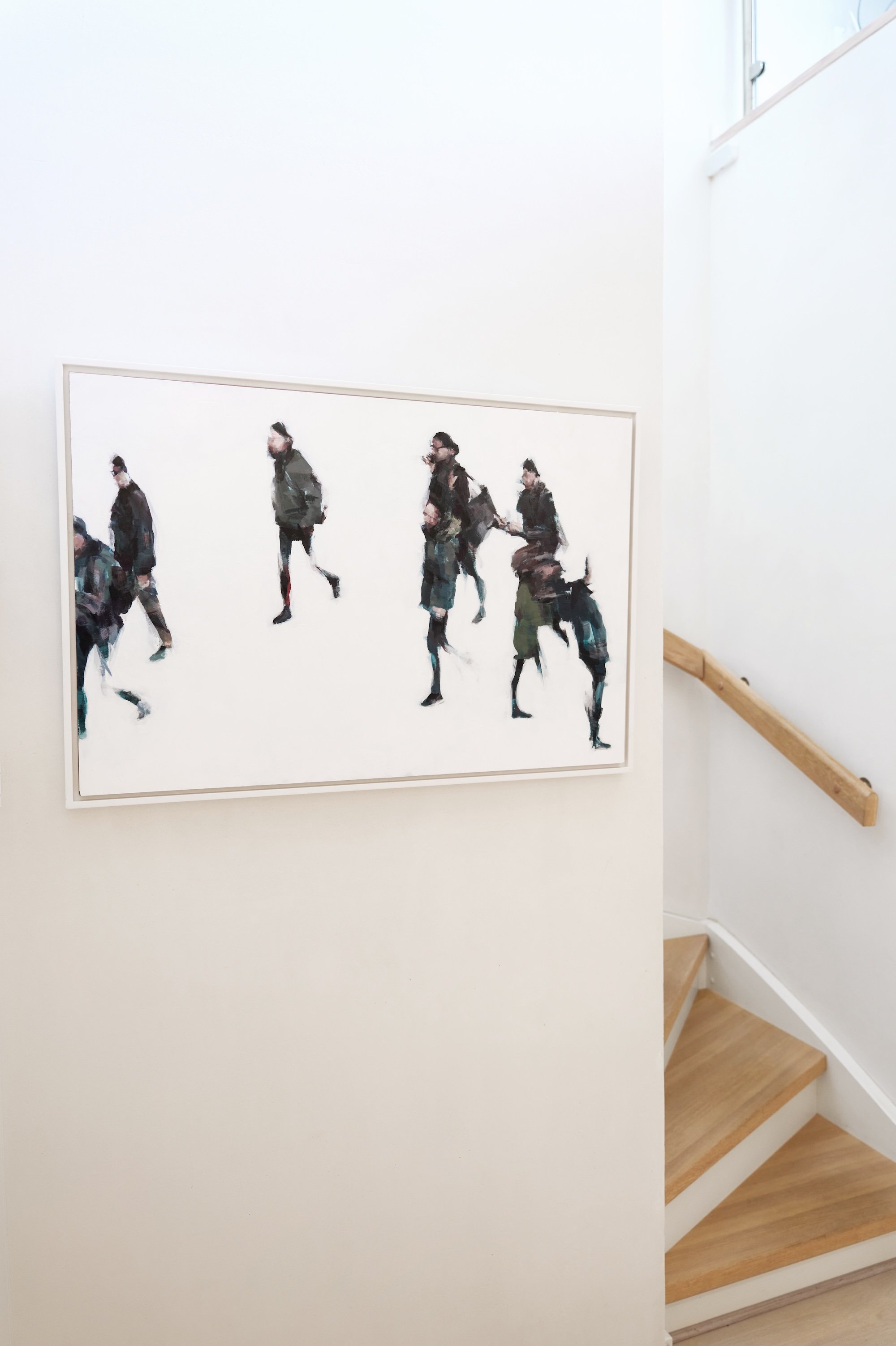
Painting I Jay Pingree
What Comes Next
I do not believe the future of the art world is entirely digital or entirely physical.
Galleries will not disappear. Art fairs will not disappear. Nor do I believe collectors want an algorithm to choose the art they will live with.
The more digital the art world becomes, the more valuable trusted human relationships become.
There is value in working with someone whose eye you understand and who takes the time to understand yours. Someone who can introduce you to an artist, assess a price, negotiate a purchase, guide a commission and advise on framing, lighting, shipping and installation.
Most importantly, someone who can remove some of the anxiety from buying art.
Buying art should be enjoyable. It should be exciting. There should be moments when your heart beats a little faster because you have seen something extraordinary.
You should not feel intimidated. You should not feel that everyone else knows something you do not. And you should never feel obliged to buy something simply because somebody has told you it is important.
Be curious. Ask questions. Look—and then look again.
Sometimes, trust your instincts.
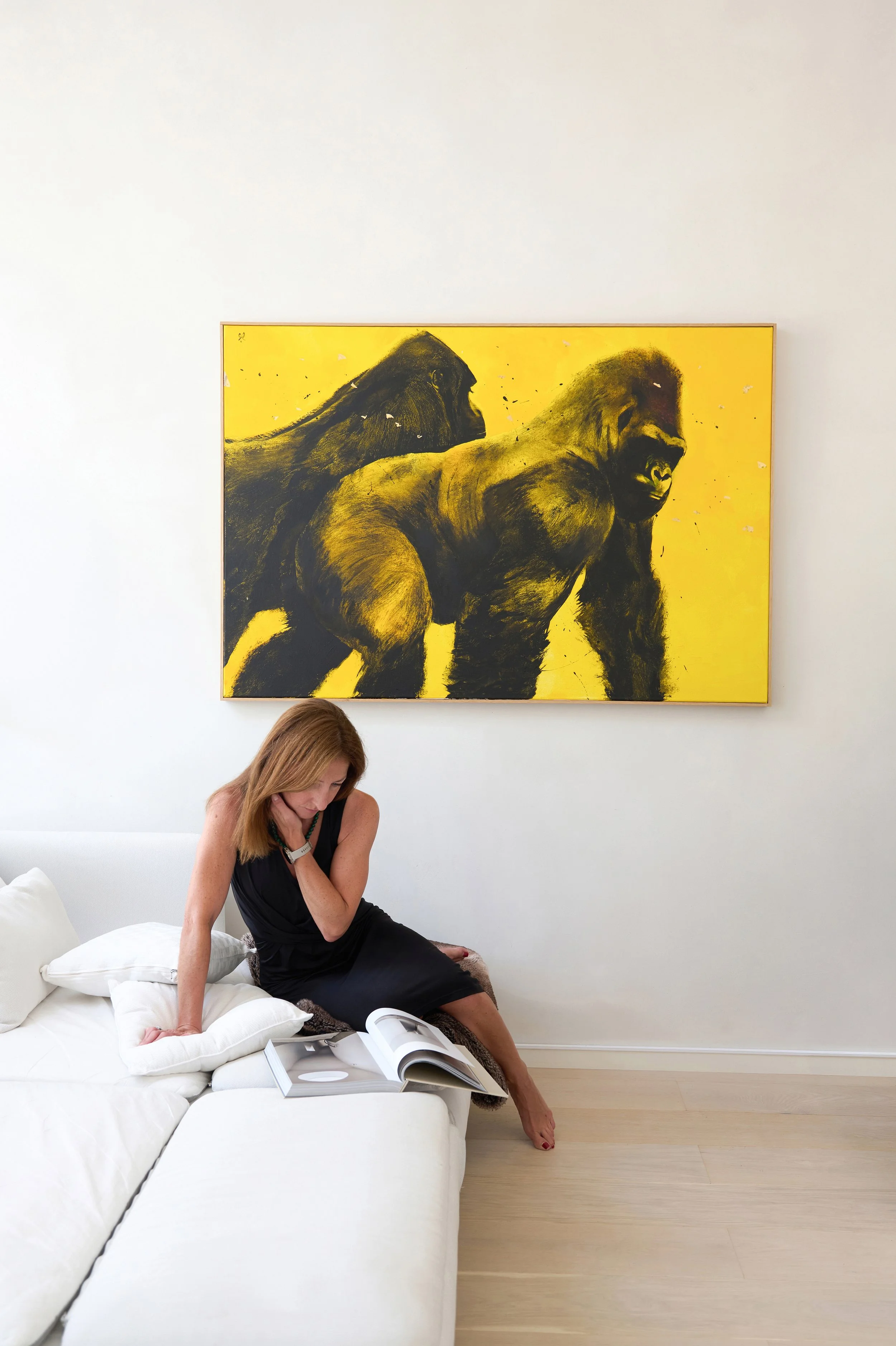
Painting by Per Ekros
The Art World Has Changed So Have I
Nordic Art Agency has not been erased. It has become part of the history behind something new.
Twenty years of artists, collectors, exhibitions, fairs, experiments, mistakes, successes, relationships and learning now sit behind Rees Davies Art Advisory.
Rather than feeling as though I am starting again, it feels as though I have distilled the business down to the part that mattered most all along:
People and art—and finding the right connection between them.
An art advisor should not tell you what you are supposed to like or what might impress somebody else. The role is to help you understand what you are responding to, then give you the knowledge, access and confidence to act on it.
The art world has